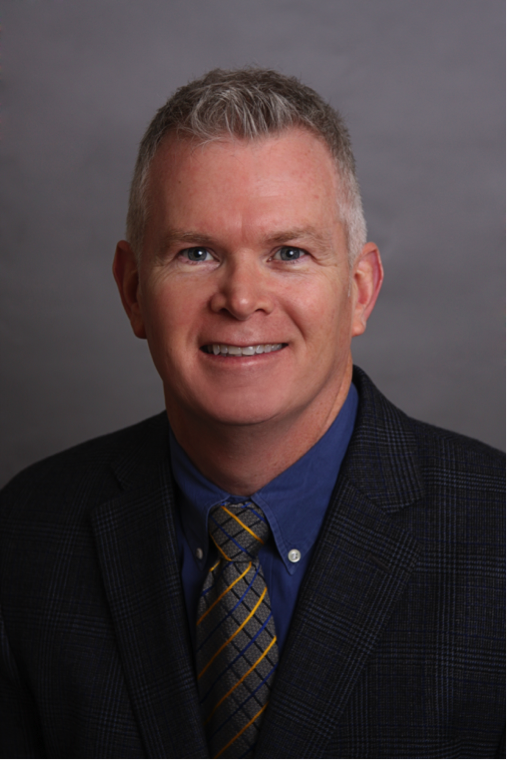
Brian believes sustainable transformation begins with people, not technology. His leadership philosophy combines firsthand operational experience, relationship-centered leadership, and disciplined execution to build trust, align organizations, and create lasting change. By establishing clear expectations, meaningful performance metrics, and a culture of accountability, he helps organizations strengthen leadership capability, improve execution, and build the organizational capability to sustain long-term performance.
Brian Joseph Pace is an executive transformation leader who helps organizations transform customer operations by translating strategy into disciplined execution. He aligns strategy, people, process, technology, governance, and culture to design operating models that strengthen organizational capability, improve execution, and deliver measurable, sustainable business performance.
Throughout his career, Brian has led enterprise transformation initiatives across Fortune 500 companies, private equity-backed organizations, government agencies, and global managed services environments. While the industries have varied, the principles have remained remarkably consistent: lasting transformation happens when leaders understand the operation, engage the people closest to the work, establish disciplined operating models, and create a culture of accountability and continuous improvement.
Whether serving as a trusted advisor, fractional executive, or interim transformation leader, Brian partners with executive teams to modernize customer operations, operationalize AI, strengthen service delivery, and build leadership capability that enables organizations to continuously improve long after the initial transformation is complete.
For Brian, transformation is never the finish line—it's the foundation. Through Think Bridges, he helps organizations bridge strategy and execution by designing operating models, strengthening customer operations, and creating lasting business value. He measures success not by the transformation itself, but by the organization that's left behind.
Think Bridges. Not Barriers.